|
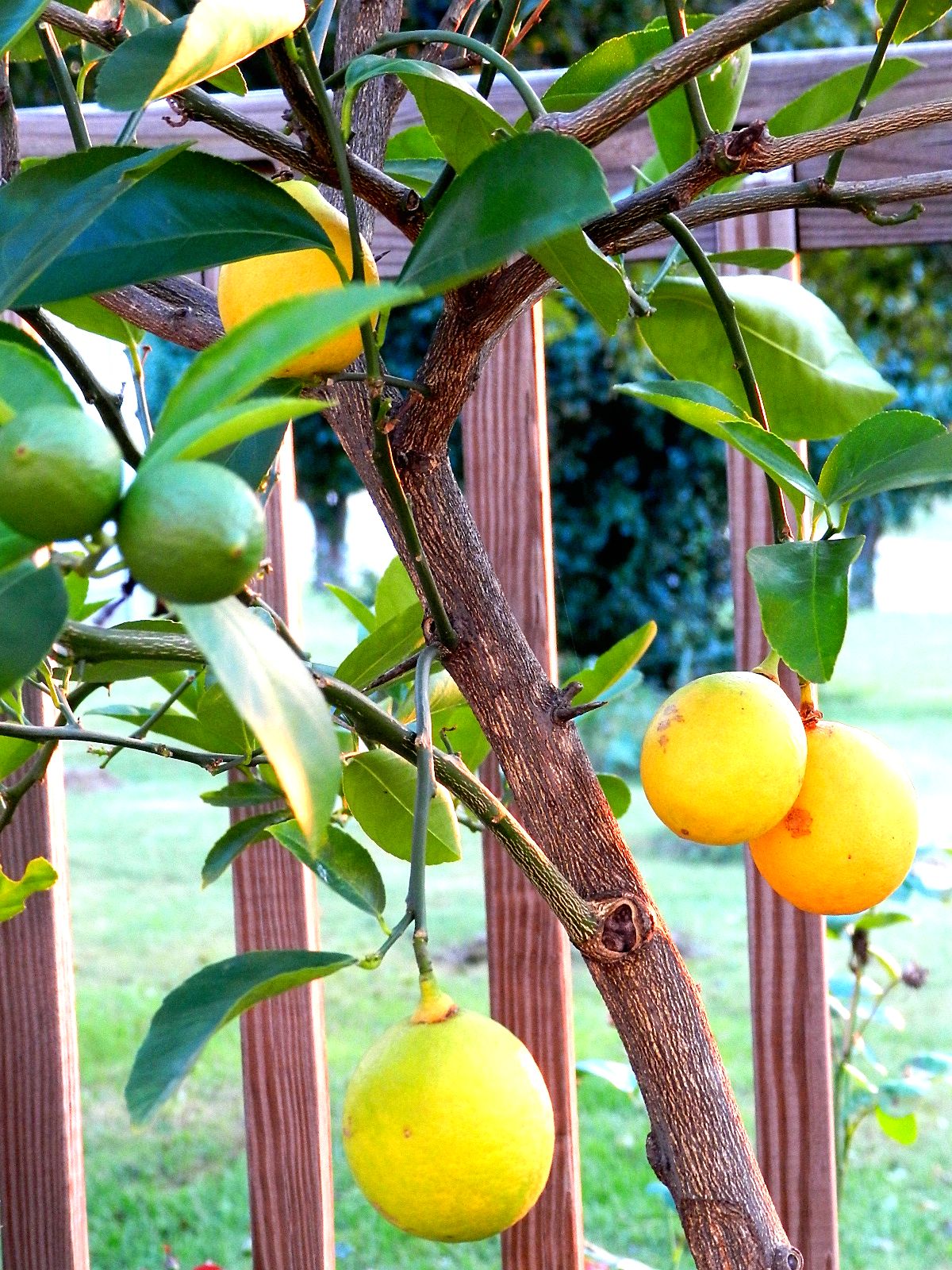
| Meyer lemon tree ripens fruit. |
It's about time to pull up those old summer border flowers and replace them with chrysanthemums and pansies. Wild garlic is starting to sprout after its summer hibernation underground; its tell-tale aroma is noticeable when mowing the lawn. That means any time now we could plant the largest of our hardneck garlic cloves saved from May's harvest, to grow through the winter. Last year, we didn't plant our garlic until late October, and we're determined to get an earlier start. The pumpkins have to come out first, however, to make room, and that's a chore - vines have spread everywhere and are setting new fruits. Did you know that tender green pumpkins can be eaten just like zucchini?
 |
Gladiolus bulbs harvested and curing
for winter storage. |
As soon as our summer vegetable patch can be tilled, we will be broadcasting several pounds of red clover seed purchased from the local feed and seed store. If you've been reading this blog regularly, you know that red clover is our favorite green manure crop because it converts nitrogen from the air and stores it, boosting both soil nutrition and adding plenty of organic humus.
Cabbage and broccoli have taken off, growing to mature size. Tiny button heads of broccoli are visible in the crown of each plant. Depending on how much moisture we see in the coming weeks, it won't be long. Brussels sprouts take 120 days to harvest, longer than many pumpkins; transplanted in August, they won't begin to produce until December.
 |
| Broccoli and cabbage plants. |