Showing posts with label peas. Show all posts

Sunday, May 4, 2014

May 4, 2014


A sample of the mixed heirloom lettuce we grow - 'Red Salad Bowl,' 'Black Seeded Simpson,' and 'Red Romaine'.
Chives in bloom.

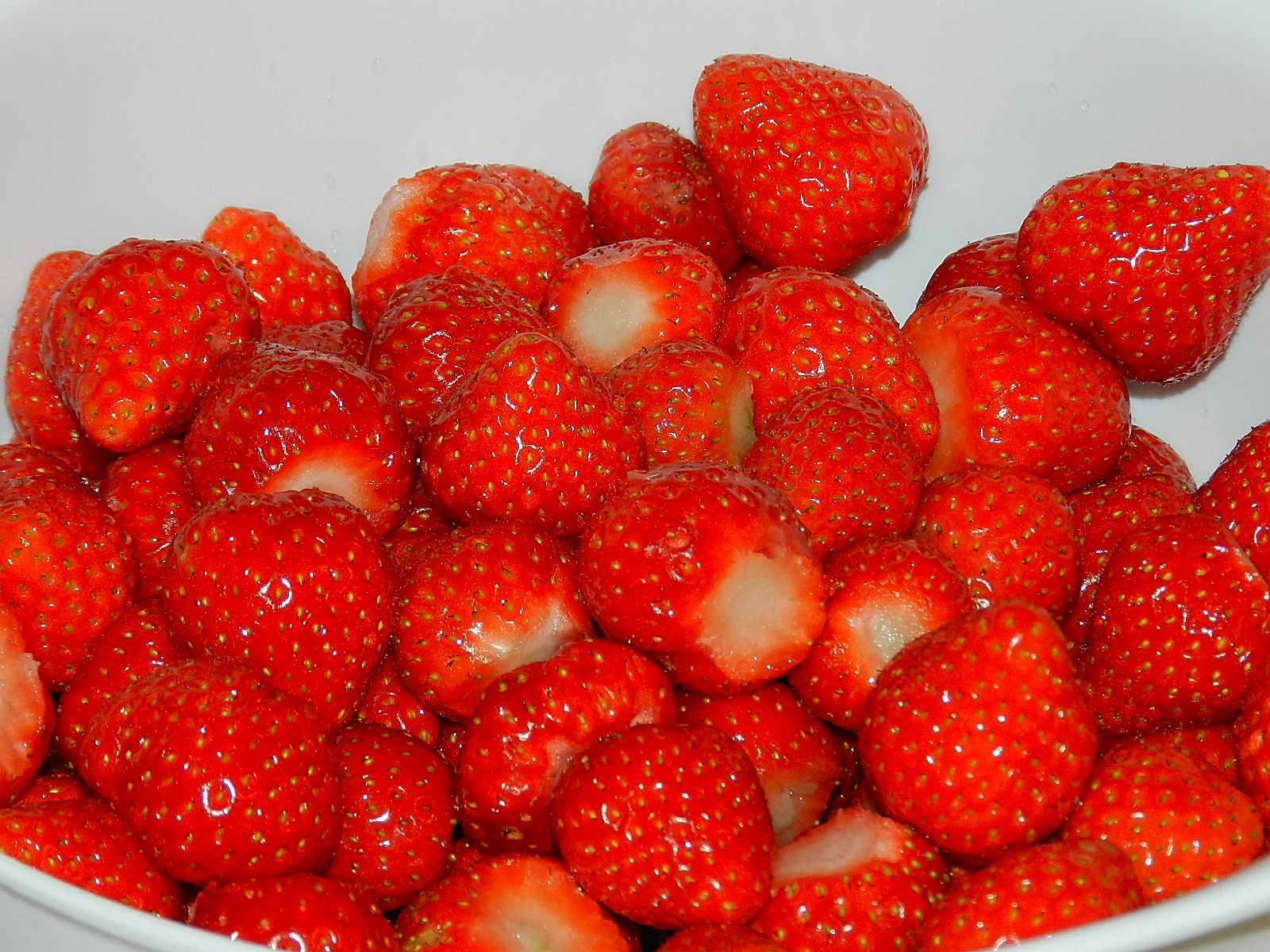
It's strawberry season.  The kids didn't need a reminder; they raced outdoors first thing in a tumble of giggles, "I'm going to beat yous," and one "wait for me" looking for a pair of crocks.  Welcome May, month of cherry jam, berries, and more good things to come on our hobby farm.  A beautiful and slow spring has been ideal for growing spinach, and we expect to process 2 dozen+ quarts for the freezer.  For root crops, we have beets, radishes, and carrots in the cold frame still. Lettuce is a little out of hand and is begging our first tomatoes, still a month away.  Broccoli and peas will be producing a heavy crop soon.

'Passion and Purity' Iris.
One new project we're working on this year is a dry bean fence along the barn.  We ordered several varieties of heirloom climbing pole-type beans, suitable for drying, from the Seed Saver's Exchange in Iowa.  By the way, we are moving almost entirely to heirloom variety vegetables and plan to save our own seeds from year to year.  The dry beans will make great additions to soups and other dishes as a source of protein.  Sweet corn, melons, cukes, zucchini, sunflowers, and huckleberries are all planted.  

We couldn't be happier with our pasture-raised, hormone-free, antibiotic-free broiler chickens.  All our birds weighed in over 6 lbs. processed, at half the cost per pound for the same label at market price.  The flavor?  If you lived close to a farm before the commercial chicken industry, you might have an idea what a real chicken tastes like.  And it's something you'd never forget, in a longing sort of way.
Peas climbing the fence in the foreground, followed by 25 ft. rows of broccoli, lettuce, and spinach.

The cold frame still producing lettuce,
carrots, and beets.  A second-year 'Goldrush'
apple tree just beyond.
Spinach.
Pasture-raised, antibiotic-free, hormone-free Cornish Cross broiler chickens at 8 weeks.

Fresh processed chickens weighing over 6 lbs each.  That's more than 18 lbs of meat!
And with that rich yellow skin, it's time for some Southern Fried Chicken.

Monday, June 10, 2013

June 10, 2013

Chickens free-range around the deck.
This wet, wet week has given us a chance to catch up with a long overdue post!  We're enjoying peas and garlic (not together, necessarily), raspberries, cherries, ever-bearing strawberries and garden salads, while blueberries, green beans, and summer's first dill pickles not far away.  Chicken manure is composting with straw bedding to give a nitrogen bolt to future plantings, and it's not smelly at all - actually Confederate jasmine and the creamy fragrance of gardenia are perfuming the yard.  Hope you enjoy this photo tour!
Ozark Beauty strawberries continue producing all summer.

Sour cherry jam, care for a sample?  We made two batches
and canned enough fruit for several pies.

Weeding after 6.5 inches of rain in one week.

Sweet corn reaching sky-ward.

Blueberries hanging in clusters like grapes - ripening soon!

Garlic curing in the barn.
"Look out below!"

Monday, April 22, 2013

Pullets, the Sixth Week

Golden Comet pullet at six weeks old.
Rhode Island Red pullets.
What a difference a week makes, especially with growing chickens.  I don't think we're imagining daily increases in size.  Our birds look nearly as they will look for the rest of their lives.  Just this week, their vocal calls are changing over from squeaks (I wouldn't call them "peeps" any longer) to more full-throaty clucks and squawks.  It brought a smile to our faces hearing the first contented "Gluck. Cluck-cluck-cluck."  They come to the gate to greet us every morning.  At six weeks old, there are still anywhere from eight to twelve weeks before they begin laying eggs, between July and September.

We harvested first spinach and are watching peas, carrots, and onions grow.  These cool mornings make us glad we waited to transplant out our warm-weather crops.  Strawberries are setting by the hundreds (and maybe thousands); all around, it looks like we will have an excellent fruit crop this year.
Our chickens enjoy free-ranging for bugs and small stones in the grassy lawn at Palmetto Acres Hobby Farm.

"All I want to be in life is a little red hen."

"I am most definitely a vegetarian."

Curious one poses again.

Tuesday, March 19, 2013

Chicks, the First Week

Rhode Island Red chick at one week old.  A miniature comb and wattle are growing on its forehead.
Wing and tail feathers.
The chicks are a week old now and are growing fast.  They have doubled in size since we brought them home, and they are showing loads of personality.  We have our eager ones, reluctant ones, curious ones, and shy ones.  Some are assertive, first to do everything; and others prefer to follow.  Feathers are starting to grow out from the shoulder, wings, and tail.  Thanks to those wing feathers, they are getting rather adept at cruising around in their 8 ft. x 4 ft. brooder pen.  It looks like a couple of the chicks are playing at pecking order, and not necessarily the largest ones either.  Maintenance is very low - we refill the feed tray every other day, and we haven't yet had to refill the gallon waterer.

3rd-year semi-dwarf nectarine tree.
We have an excellent stand of spinach this spring; lettuce, carrots, and onions are just sprouting.  Peas just went in the ground over the weekend after being pre-sprouted in wet paper towels.  Indoors our peppers, dill, and bedding flowers are growing under lights, and we will add to them tomato and other warm-weather crops this week.  We're still enjoying peach and cherry blossoms.  Happy first day of Spring!
Bush cherries in bloom.


Monday, May 28, 2012

May 28, 2012

Our first pint of blueberries for the season.
'Jersey' blueberries are the first to produce.
These are nights filled with the creamy fragrance of white gardenia and yellow flicker of fireflies.  We are so fortunate to have a berry patch in our back yard.  Picking berries on a quiet morning and enjoying them dewy fresh - that's the sweet stuff of life.  Our berry bushes are growing up enough to start really producing, so we don't have to depend as much on the market.  A full pint of blueberries made it into the kitchen over the weekend, but black, red, and purple raspberries didn't enjoy that kind of longevity; they don't "keep" as long, in more than one sense of that meaning!

Our harvests this week also included a large mess* of peas; we were surprised to see we still have some leftover in the freezer from last year, so we know we can enjoy as much fresh as we like.  You know they're good when the kids ask for seconds at meals!  Garden-fresh peas are so unlike anything else canned or frozen, pop-in-your-mouth tender, and surprisingly sweet like corn.

(*My grandpa used to use the phrase, "a mess of peas," but I haven't heard it used by anyone else. The meaning, enough food of a specified kind for a dish or a meal, from Late Latin missus--course at a meal--for you etymologists out there.)

Black 'Jewel' raspberries ready to enjoy.
All our pumpkin seed planted last week sprouted; there are only two crops left to plant for the summer, and we will be preparing soil this week to plant sunflowers and our second batch of sweet corn.  Just in time for Memorial Day, red and blue gladiolus are showing off in patriotic style.  Have a blessed holiday!


Red and blue gladiolus.

Monday, April 23, 2012

April 23, 2012

Spring radishes grew the size of beets!
This is the BIG week!  It's time to plant our favorite seeds for the summer garden:  sunflowers, cantaloupe melons, honeydew melons, summer squash, zucchini, green beens, and if we are ambitious enough, the first batch of sweet corn.  Seeds of these veggies tend to rot in cool soil, and though we had six weeks of warm weather March into April, a hard freeze on the 12th would have been a major set-back if we had already planted.  Our highs have averaged only in the upper 60's F since then; but soil also absorbs radiant heat from sunshine and has sufficiently warmed enough to increase germination success.  If we don't have time to plant everything, we'll hold off on sweet corn since our hybrid variety is especially sensitive to soil temperature.
Seeds ready to plant.


We are still ahead of schedule since transplants went into the ground almost three weeks early, and they are doing great.  Bell peppers are already flowering - though we will pick these early buds off until they grow larger.  Tomato plants are ready to have their cages and stakes put on for support.  Broccoli is the big success this Spring.  We've had to water a little extra to supplement natural rainfall, and those big leaves are going to produce some whopping florets.  Maybe we'll see some 16-inchers this year.

Broccoli plants are growing large.
Spinach is still coming strong, though we're eating everything we harvest.  Peas are looking healthy; it's time to supplement with natural bone meal, which will encourage flowers and pod production.  We pulled radishes, which went a little too long in the ground.  Last year's parsley, a biennual, is sending up stalks now to bloom, and we will save these seeds to plant next Spring.  In the meantime, parsley seedlings started this year are still small but quickly gaining size.

Monday, March 12, 2012

March 12, 2012

The first peach blossom.
March is here, and it's beginning to look like it.  Mounds of green clover up to 10 inches high are covering our future corn patch.  Grass is turning green again, thanks to abundant Spring rains, and trees are in bloom everywhere.  After wheelbarrowing mulch to the far ends of the property during a church work day, we came home to plant:


Onion and carrot plantings
next to garlic
6 ft. of raddishes
18 ft. of 'Salad Bowl' lettuce
6 ft. of 'Romain' lettuce
25 ft. carrots
25 ft. yellow onions

Bush cherries two years old.


We also re-planted spinach seed where there are bare spots and mowed part of the lawn.  A second batch of peas is rolled up in moist paper towels on top of the refrigerator to sprout and be planted before St. Patrick's Day.  This is a busy weekend for the garden, since it's also time to sow seeds of tomatoes and dill indoors.  Broccoli will be transplanted out into the garden by next weekend, so it's time to start hardening off our seedlings by acclimating them to sunlight and wind after being pampered under fluorescent lights on a heat mat indoors.

Bees are loving our bush cherries, and the first peach blossoms have opened.  We finished a very busy day by watering our blueberries with an acid-loving fertilizer and by misting all the newly-planted seed.  Thanks to all this work on a sunny day, we can humbly show off our red necks!

The vegetable garden in March showing garlic left; clover center;
and peas, spinach, lettuce, and brussels sprouts right.

Monday, May 30, 2011

May 30, 2011

Norms are averages of the extremes, as the weather saying goes, and so it is that while Northern farmers are receiving too much rain, we have seen too little.  But thank the good Lord we have also been spared so much extreme weather that came with it.  Thursday evening, upon stepping outside, Bryan remarked to the family, “Hey, It is raining.”  And that was remarkable since we ended a dry month with showers that dropped 1.3 inches on our eagerly-waiting vegetable patch.

Peas were priority on the weekend, and we picked this 5-pound shopping bag full.  With the help of our children, we all became pea pod poppers and shelled out 3 quarts.  What we did not eat fresh we blanched and froze for later.  Pea plants look like they haven’t been touched, however, with the volume of pods still filling out, making this harvest look small compared to what’s yet to come.  And we are still getting spinach; after picking peas, Bryan brought in a sizeable bag full.

One of our tomato secrets comes from the Amish – they sprinkle Epsom salts (magnesium sulfate) around which act both as fertilizer and natural deterrent to slugs and snails.  About 1 Tbls per plant (4 sq. ft. area) is sufficient.  Many plants respond well to extra trace minerals as they come into flower. 


Sweet corn is shooting up in this warm, humid environment, but is still small enough to cultivate with a Mantis tiller without disturbing its shallow root system.  Once leaves touch, we will use a hoe to hill up each plant, which gives it mores stability and resistance to wind, and which encourages the development of auxiliary roots.  Now is the time to pamper corn, because cells that will become the ear form when the plant is a few inches high.

Tomatoes and peppers are blooming, red raspberries are in season, and the first blueberries are coloring up.  Wishing everyone a happy Memorial Day, also the traditional beginning of meteorological summer – happy growing, y'all!

Monday, March 14, 2011

March 14, 2011

We had a wet week (no complaints there!) ending with some great 76 degree F sunshine and drying just enough to work the soil.  Peas by St. Patrick's Day is an easy date to remember (or one month before last frost in other zones); I pre-sprout my seeds between damp paper towels in a dark, warm area (like on top of the refrigerator), mix with a powder inoculant (rhizobia bacteria for nitrogen fixing), then set them carefully in the ground to finish sprouting and grow.  A boost from bone meal mid-season will supply extra phosphorous for a great harvest.
It looks like 80% of the spinach seed sprouted (much better than average -- my experiment worked!), but this is interesting, I planted different brands in each row.  Burpee had excellent germination, but Ferry Morse was very poor: both brands were purchased at the same home improvement store.  Granted, the seed is two years old because it was packaged for 2010 (since we moved last year we did not put in a garden).  But I'll be using Burpee from now on!  It's not too late to re-seed.
It's time to harvest brussels sprouts.  If you never liked them as a kid, garden-fresh are nothing like the kind that come from grocery stores.  Our winter-grown brussels sprouts are buttery sweet and melt-in-your-mouth tender!  We blanched and froze enough to pull out later when we want them.  By July it will be time to start new seed for next Fall's plants. 
What a busy weekend, from mowing the lawn, to mulching foot paths in between vegetable rows, there was more to do than time to do it.  This 'Salad Bowl' leaf lettuce over-wintered from last Fall.  We like it because of the bright apple-green color and excellent flavor even into hot weather.  This weekend I put in a wide, intensive bed of lettuces.  Intensive beds yield more per sq. ft. because plants are not cultivated in traditional single-file rows but rather in wide blocks. 
We use wheat straw to mulch in between vegetables, but since most wheat straw contains viable wheat seeds (which can sprout and turn into "weeds" even though wheat is an edible crop), it has to be de-seeded.  With a little planning, this is easy:  we purchase several bales of wheat straw in the autumn and throw them in the front yard with a few pumpkins; everybody loves the seasonal display.  Bales overwinter outdoors in the rain around the compost bin, where they become saturated.  Seeds inside either sprout on the bales (adding more organic material) or suffocate.  By Spring bales can be broken apart and spread as mulch on the garden, where it will compost over the season while keeping weeds down and soil cool and moist.

About Me

My photo
Dedicated to the responsible production and preservation of healthy home-grown food to the glory of God. Isaiah 55:10 The rain cometh down, and the snow from heaven, and returneth not thither, but watereth the earth, and maketh it bring forth and bud, that it may give seed to the sower, and bread to the eater. Organic, or not? We try to raise vegetables organically, using compost and manure. The addition of chickens to our hobby farm means plenty of organic nitrogen to compost! This site gives credible reference to planting information contained in the Farmer's Almanac (www.farmersalmanac.com).