Showing posts with label strawberries. Show all posts

Monday, June 10, 2013

June 10, 2013

Chickens free-range around the deck.
This wet, wet week has given us a chance to catch up with a long overdue post!  We're enjoying peas and garlic (not together, necessarily), raspberries, cherries, ever-bearing strawberries and garden salads, while blueberries, green beans, and summer's first dill pickles not far away.  Chicken manure is composting with straw bedding to give a nitrogen bolt to future plantings, and it's not smelly at all - actually Confederate jasmine and the creamy fragrance of gardenia are perfuming the yard.  Hope you enjoy this photo tour!
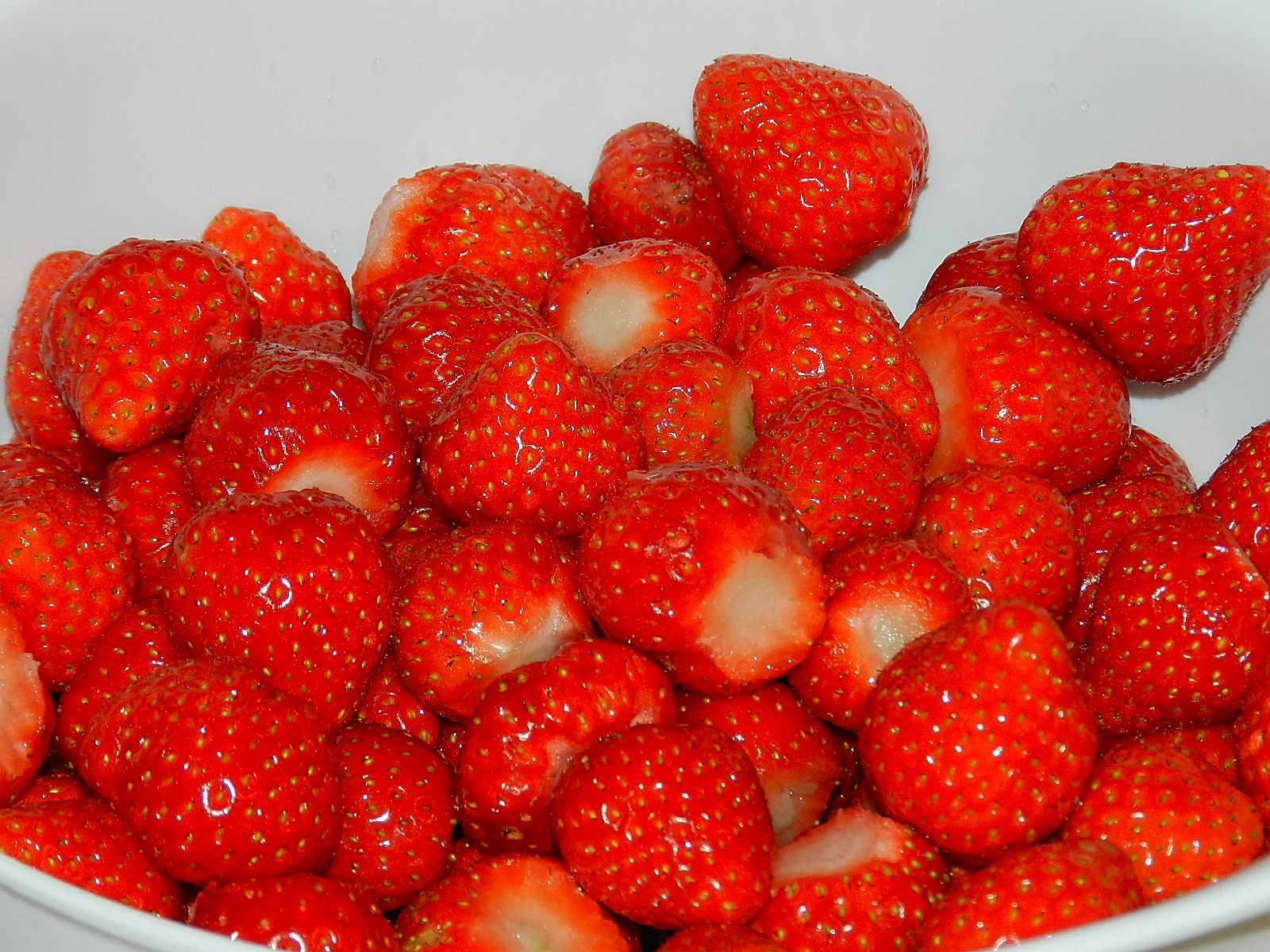
Ozark Beauty strawberries continue producing all summer.

Sour cherry jam, care for a sample?  We made two batches
and canned enough fruit for several pies.

Weeding after 6.5 inches of rain in one week.

Sweet corn reaching sky-ward.

Blueberries hanging in clusters like grapes - ripening soon!

Garlic curing in the barn.
"Look out below!"

Monday, April 22, 2013

Pullets, the Sixth Week

Golden Comet pullet at six weeks old.
Rhode Island Red pullets.
What a difference a week makes, especially with growing chickens.  I don't think we're imagining daily increases in size.  Our birds look nearly as they will look for the rest of their lives.  Just this week, their vocal calls are changing over from squeaks (I wouldn't call them "peeps" any longer) to more full-throaty clucks and squawks.  It brought a smile to our faces hearing the first contented "Gluck. Cluck-cluck-cluck."  They come to the gate to greet us every morning.  At six weeks old, there are still anywhere from eight to twelve weeks before they begin laying eggs, between July and September.

We harvested first spinach and are watching peas, carrots, and onions grow.  These cool mornings make us glad we waited to transplant out our warm-weather crops.  Strawberries are setting by the hundreds (and maybe thousands); all around, it looks like we will have an excellent fruit crop this year.
Our chickens enjoy free-ranging for bugs and small stones in the grassy lawn at Palmetto Acres Hobby Farm.

"All I want to be in life is a little red hen."

"I am most definitely a vegetarian."

Curious one poses again.

Monday, February 13, 2012

February 13, 2012

We start every vegetable we grow from seed, and our catalog order has arrived.  We decide on any new and unusual types or heirloom varieties early in January when we plan what to grow.  New to the vegetable garden this year will be an Opalka paste tomato (replacing Roma), Amish paste tomato, Granddaddy beefsteak tomato, and Knucklehead warted pumpkin; we also replenish some hybrid varieties that we can’t buy locally.  We saved seeds from many of our favorite standard varieties last summer, and the rest of our seeds come from Burpee stands locally. 

Excavating an 8-ft. circle of sod.
We decided to add strawberries this year to our collection of blueberries, cherries, apples, peaches, red-black-and-purple raspberries.  We grew strawberries at the old house but made the mistake of planting them in a newly-tilled section of lawn; although we added weed barrier and mulch, by the third year it was filled with invasive bermuda grass (it’s called wire grass for a reason).  We also grew June-bearing strawberries, which don’t fruit the first year, and since it’s best horticultural practice to replace June-bearers after the second year, they ended up way too labor intensive to enjoy.  Fixing those mistakes, we will be growing everbearing ‘Ozark Beauty’ strawberries in a raised bed with imported organic soil.  Many garden catalogs offer this 6-foot diameter pyramid garden complete with a sprinkler; optional add-ons are a net system to keep the birds out, and a tent cover to act as a mini greenhouse.  We have garden netting and will see if we can rig a do-it-yourself cover to keep birds out.
Cardboard is our default weed barrier.
Don’t be mislead by the easy looks of the finished product, however.  The raised bed borders come in bright aluminum and need to be painted unless your garden has a tin man décor.  We also decided to excavate an 8-foot diameter circle of sod leaving a 1-ft. mowing path that will be protected with black plastic and topped with mulch.  We imported one cubic yard of fine garden top soil and mushroom compost to fill the bed.  Good soil will allow this system to grow productively for many years.  Everbearing strawberries are allowed to fruit the first year, starting in July; this bed holds 50 plants, enough to enjoy fresh on summer mornings (just wait until the kids find out), and we can depend on local u-pick growers for large quantities when we make jam.


Black plastic helps keep weeds out.
Bags of organic dirt
Filling it up and measuring from center
Almost done...
Ready for strawberries!


About Me

My photo
Dedicated to the responsible production and preservation of healthy home-grown food to the glory of God. Isaiah 55:10 The rain cometh down, and the snow from heaven, and returneth not thither, but watereth the earth, and maketh it bring forth and bud, that it may give seed to the sower, and bread to the eater. Organic, or not? We try to raise vegetables organically, using compost and manure. The addition of chickens to our hobby farm means plenty of organic nitrogen to compost! This site gives credible reference to planting information contained in the Farmer's Almanac (www.farmersalmanac.com).